
Storm Contractor Scams in Florida: How to Protect Your Home After a Hurricane
After a hurricane, many people need help at the same moment, and wet drywall can't wait long. That urgency is exactly what dishonest contractors count on. Sarasota and Manatee County homeowners have been through a lot of it: Hurricane Ian's river flooding in September 2022, then Debby's record rain in August 2024, Helene's surge in late September 2024 and Milton's landfall on Siesta Key on October 9, 2024. This guide summarizes official warnings and the Florida rules behind them, in plain words. It is general information, not legal advice.
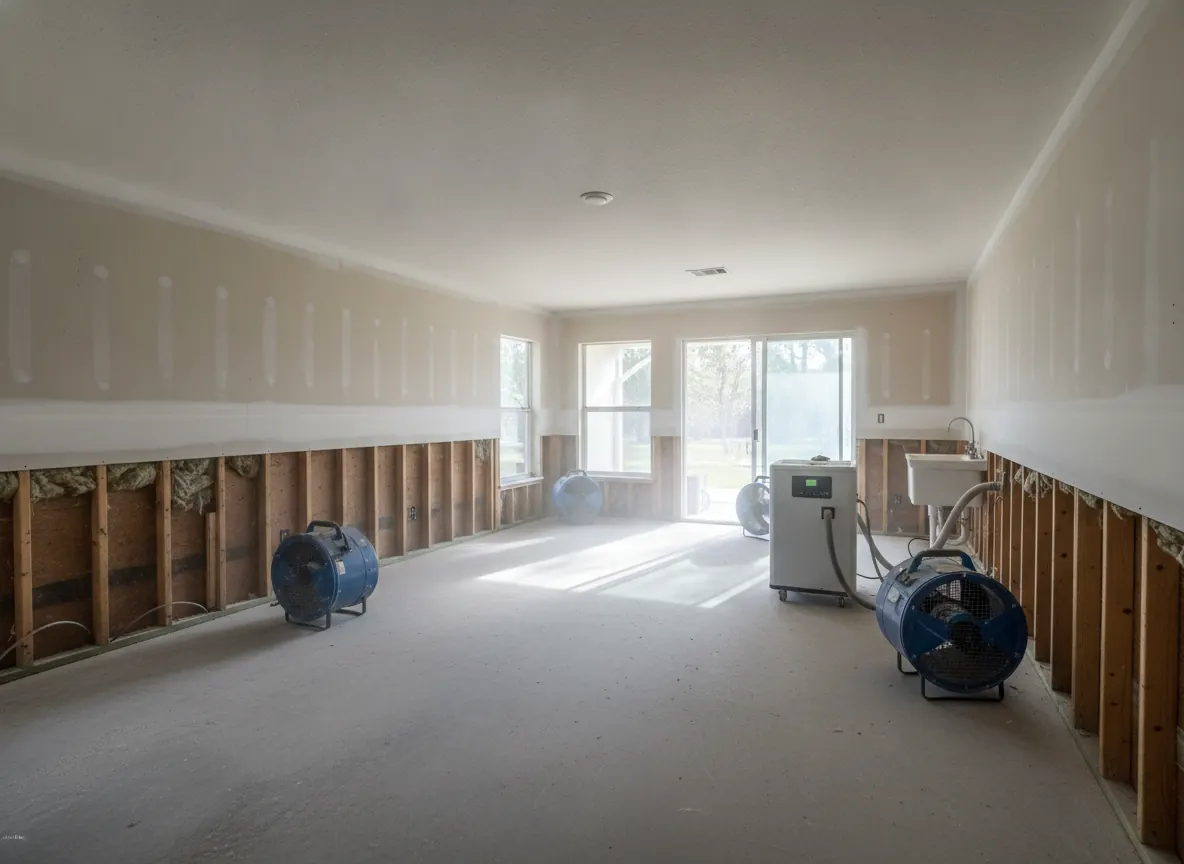
Storm scam checklist (updated November 2026).
- Verify the company's license at MyFloridaLicense.com before you sign or pay.
- Get a written contract that describes the work, the price and the payment schedule.
- Never pay the full amount upfront. Tie payments to work completed.
- Be wary of door-knockers and unsolicited offers, by phone, text or flyer.
- Report scams at 866-966-7226, as Sarasota County's Building Official advised, and report unlicensed activity to DBPR at 1.866.532.1440.
What Sarasota County officials advise
In an October 22, 2024 letter on post-storm permitting, written after Helene and Milton, Sarasota County's Building Official told residents: "Check to see if a company is properly licensed, insured and if there are any consumer complaints filed against a licensed contractor at MyFloridaLicense.com." The same letter advised reporting scams at 866-966-7226.
The same advice applies whether you are hiring a roofer, a drywall contractor or a mold company, and it applies in Manatee County too.
What do storm contractor scams look like?
- Door-knockers. Someone you didn't contact shows up offering to start today, often with a truck and a clipboard.
- Pressure to sign now. "This price is only good today" or "we're only in the area this week."
- Large upfront payment. A demand for most or all of the money before work starts, or payment in cash only.
- No license number, or one that doesn't match. The name on the truck, the contract and the DBPR record should line up.
- No written contract. A handshake, a text message or a one-line estimate instead of a signed agreement.
- Insurance promises. "Your insurance will cover all of it" or "we handle the claim for you." Only your insurer decides what is covered.
- The free mold test that becomes a removal contract. In Florida, the company that assesses mold generally can't also remediate it on the same structure within 12 months (s. 468.8419).
How Florida licenses mold companies
Florida licenses mold assessors and mold remediators through the Department of Business and Professional Regulation (DBPR) under Chapter 468, Part XVI. Before you hire, look up the company's license at myfloridalicense.com (search by name or license number). The search page also lets you search by city or county and by license type.
Florida's mold-licensing law covers mold growth over 10 square feet (s. 468.8411). For smaller areas, EPA says you can usually clean it yourself. Homeowners may also work on their own home (s. 468.841). Some contractors are exempt when they work within their own license, such as certain construction contractors; ask which license covers the work.
Two other Florida rules help you check a mold company:
- Written contract. Mold assessment and remediation contracts must be in writing and signed by the parties (s. 468.8422).
- Insurance. A mold remediator must carry at least $1,000,000 in general liability coverage that includes mold-related claims (s. 468.8421). Ask for proof.
The post on the Florida mold license lookup walks through each search step.
Paying a storm contractor safely
Never pay the full amount upfront. A reasonable deposit followed by payments tied to finished stages protects you if a company stops showing up. Pay by check or card so there is a record, get a receipt for every payment, and keep copies of the contract, photos and messages in one folder. Don't sign a contract with blank spaces, and don't sign anything you haven't read, including papers about your insurance claim. If something is unclear, ask your insurer or an attorney before you sign.
Permits after a storm
Mold cleanup itself usually isn't permitted work, but rebuilding often is. In unincorporated Sarasota County, removing drywall doesn't need a permit, but replacing drywall more than 2 feet above the floor does (Building Official letter, October 2024). In Manatee County, drywall repair outside a flood zone generally needs no permit; in a flood zone, repairs need a permit and a substantial-damage review. The City of Sarasota requires permits for most work. Your rebuild contractor should confirm and pull any permit. In other cities, check with the city building department.
Insurance deadlines to keep in mind
Under s. 627.70132, a hurricane or windstorm claim must generally be reported within 1 year of the loss (18 months for a supplemental claim). Flood damage goes to a flood (NFIP) policy; wind, roof and plumbing damage usually goes to the homeowners policy. Many Florida homeowners policies limit mold coverage, often to $10,000, a limit that became standard after state-approved endorsements in 2002 and 2003. Check your declarations page, and call your insurer before you sign a remediation contract. The post on whether insurance covers mold in Florida goes further.
What to do before you hire anyone
Document the damage
Take dated photos and video of every wet room before anything is removed. Keep receipts for fans, tarps and dehumidifiers.
Start drying
EPA's 24 to 48 hour drying window is a reason to act quickly, not a reason to sign the first offer. Run fans and dehumidifiers if it is safe.
Call your insurer
Report the claim, ask what documentation the adjuster wants, and ask about any mold limit before work starts.
Verify and compare
Check each company at MyFloridaLicense.com, ask for proof of insurance, and compare written quotes.
Sign a clear contract
Make sure it lists the scope, the price, the payment schedule and who pulls any permit.
The hurricane and flood mold page covers flood cuts and drying in more detail, the mold removal page explains what a remediation job usually involves, and the post on mold after a hurricane in Sarasota covers what homeowners still find months later. For typical prices, see the mold remediation cost page.
How to report a scam
Sarasota County's Building Official advised reporting scams at 866-966-7226. The Florida Department of Business and Professional Regulation (DBPR) lists its unlicensed activity hotline as 1.866.532.1440. You can also search MyFloridaLicense.com to see whether complaints have been filed against a licensed contractor. Keep your contract, receipts, photos and messages; they make a report much easier to act on.
Where this site fits
Sarasota Mold Experts doesn't license, inspect or vouch for any company. The companies that reply to a request are independent, so check each one the same way you would check a door-knocker: license, insurance, written contract and a fair payment schedule.
Sarasota Mold Experts is a free quote service in Sarasota, FL, not a mold company. Describe your situation any time, and independent local companies reply on their own schedules. Some companies pay to receive requests, and none of them is affiliated with this site. Request a free quote or call (941) 393-1454.
Frequently asked questions
How do I check if a Florida contractor is licensed?
Go to MyFloridaLicense.com and search by name or license number. Sarasota County's Building Official also suggested checking whether the company is insured and whether consumer complaints have been filed. For mold work over 10 square feet, look for a DBPR mold assessor or mold remediator license, or ask which license covers the work.
How much should I pay a storm contractor upfront?
Never pay the full amount upfront. A modest deposit followed by payments tied to completed stages protects you if the company disappears. Pay by check or card, get receipts, and make sure the payment schedule is written into the contract before work begins.
Where do I report an unlicensed contractor in Florida?
DBPR lists its unlicensed activity hotline as 1.866.532.1440. Sarasota County's Building Official, in an October 2024 letter, also advised reporting scams at 866-966-7226. Keep your contract, receipts, photos and messages to support the report.
Can a company that tests my home for mold also remove it?
Generally not in Florida. Under s. 468.8419, a company that does the mold assessment generally can't also do the remediation on the same structure within 12 months, and vice versa. A free test that turns into a removal contract from the same company deserves a closer look.