
Mold After a Hurricane in Sarasota: What Ian, Debby, Helene and Milton Left Behind
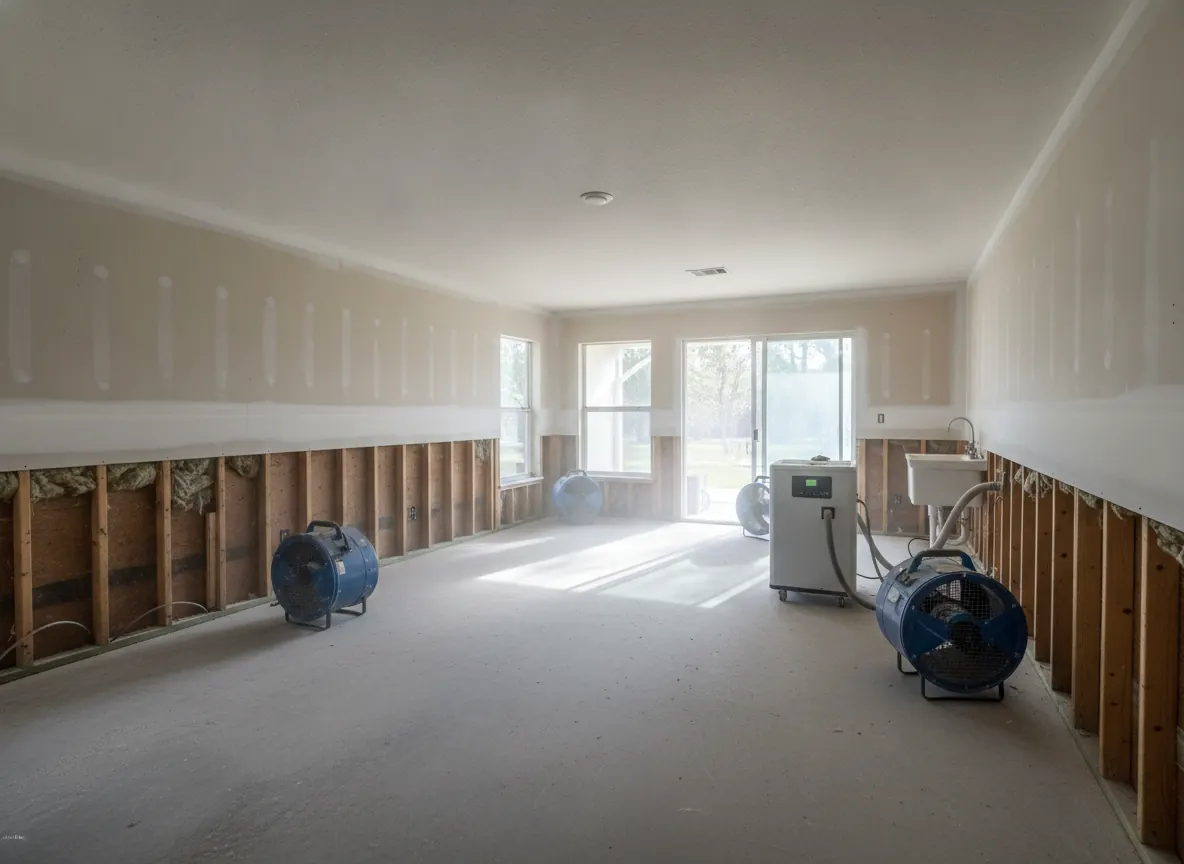
Between September 2022 and October 2024, four storms brought flooding to Sarasota and Manatee counties. Some homes took river water, some took storm surge, and some took rain through a damaged roof. Many were dried and rebuilt quickly. Some still have damp wall cavities, musty closets or stains that keep coming back.
This post looks at what each storm did here, how fast mold can start after water gets in, and what to check if you are still dealing with storm damage today.
What the recent storms did in Sarasota and Manatee counties
| Storm | Date | What happened locally |
|---|---|---|
| Hurricane Ian | Landfall Sep 28, 2022 (Cayo Costa) | Mostly rain and river flooding here, not surge. The Peace and Myakka rivers crested at record levels, and Myakka River flooding closed part of I-75 in southern Sarasota County. A gauge near North Port recorded 21.45 inches of rain. |
| Hurricane Debby | Aug 2024 (Big Bend landfall) | The state's highest rain total, 16.98 inches, fell in Sarasota. More than 500 high-water rescues took place along the Myakka River and in the Pinecraft and Philippi Creek neighborhoods, and more than 200 in Manatee County, including Parrish. |
| Hurricane Helene | Sep 26 to 27, 2024 (Big Bend landfall) | Storm surge of 5 to 7 feet above ground reached from the Anclote River south to Longboat Key. Anna Maria Island was heavily damaged. Surge of 4 to 6 feet reached from Venice to south of Englewood. |
| Hurricane Milton | Oct 9, 2024 (Siesta Key landfall, Category 3) | Surge of 6 to 9 feet above ground from Venice south to Boca Grande, with an isolated peak of up to 10 feet near Manasota Key, and 4 to 6 feet from Longboat Key to Venice. A gauge at Bahia Vista in Sarasota recorded 9.85 inches of rain. |
Source: National Hurricane Center Tropical Cyclone Reports for each storm. In Sarasota County alone, Debby caused about $57.9 million in damage to more than 1,000 structures (NHC). Helene and Milton hit the same stretch of coast within two weeks of each other, so some homes were flooded twice before they had dried from the first storm.
How soon does mold grow after a flood?
EPA says to dry water-damaged areas and items within 24 to 48 hours to prevent mold growth. That window is the reason to act quickly, not a promise that mold will or won't appear. After a hurricane it is hard to meet: power may be out, the AC is off, and every company in the region is busy.
Sarasota's weather works against drying, too. Summer dew points in the Tampa Bay area average about 72 to 74°F (NOAA 1991 to 2020 normals). EPA recommends keeping indoor humidity below 60%, ideally 30 to 50%, and a closed house without AC can sit well above that.
First steps after water gets in
Go in only when it is safe
Wait for officials to clear the area. Keep power off in rooms where water reached outlets until an electrician checks them.
Photograph before you remove anything
Take wide video of each room, then close-ups of water lines, wet flooring, ceilings and damaged belongings. Write down when water came in and when it left.
Get water and wet materials out
Remove standing water, soaked rugs, padding and furniture you cannot dry. Keep a list of what you throw away.
Dry the structure
Once power is back, run the AC if the system is safe to use, and add fans and dehumidifiers. Wet drywall and insulation usually have to come out so the wall cavity can dry.
Check the air handler
If the air handler took water or you can see mold on it, don't run the AC until it has been checked. See AC and HVAC mold.
Notify in writing
Report the loss to your insurer. Condo owners should notify the association, and renters should notify the landlord, in writing.
Flood cuts and hidden mold behind drywall
A flood cut means removing the lower part of the drywall, usually a little above the highest water line, so the studs and insulation behind it can dry and be cleaned. In Florida's concrete block homes, water can also sit in the furring strips and wall finishes against the block.
Mold that grew inside a wall after a 2024 storm may not show on the surface for a long time. Signs worth checking:
- A musty smell that gets stronger when the AC is off or the house is closed up
- Baseboards that are swollen, stained or pulling away from the wall
- Paint bubbling or new stains low on walls that took water
- Cabinets with damp or dark backs, especially in kitchens and bathrooms
EPA says that in most cases, if visible mold growth is present, sampling is unnecessary. Testing earns its place when you suspect hidden mold, when there is a dispute with an insurer or a buyer, or when you want a clearance check after work. The mold inspection and testing page covers how that works. If the growth is bigger than about 10 square feet, Florida's mold license applies, and in Florida, a company that does the mold assessment generally can't also do the remediation on the same structure within 12 months, and vice versa (s. 468.8419). The hurricane and flood mold page walks through a full storm job, and mold removal explains containment and clearance.
Permits for rebuilding
Mold cleanup itself usually isn't permitted work, but rebuilding often is. In unincorporated Sarasota County, removing drywall doesn't need a permit, but replacing drywall more than 2 feet above the floor does (Building Official letter, October 2024). In Manatee County, drywall repair outside a flood zone generally needs no permit; in a flood zone, repairs need a permit and a substantial-damage review. The City of Sarasota requires permits for most work. Your rebuild contractor should confirm and pull any permit. In other cities, check with the city building department.
Insurance and claim deadlines
Flood damage goes to a flood (NFIP) policy; wind, roof and plumbing damage usually goes to the homeowners policy. Under s. 627.70132, a hurricane or windstorm claim must generally be reported within 1 year of the loss (18 months for a supplemental claim). Since Helene and Milton were more than a year ago, talk with your insurer about where any open claim stands before you sign for new work.
Many Florida homeowners policies limit mold coverage, often to $10,000. FEMA has said NFIP policyholders are responsible for minimizing the growth and spread of mold, so keep records of what you did to dry the home. More detail is in does insurance cover mold in Florida. This site does not handle claims and cannot promise coverage.
Storm contractor checks. After the 2024 storms, Sarasota County's Building Official urged residents to verify companies at MyFloridaLicense.com. Get a written contract, never pay the full amount upfront, and be wary of door-knockers and unsolicited offers. Sarasota County's Building Official advised reporting scams at 866-966-7226.
A note on health
EPA and CDC say mold can cause allergic and irritant reactions such as a stuffy nose, coughing, wheezing or itchy eyes. People with asthma, allergies or weakened immune systems may be more sensitive. If you have symptoms you think are linked to mold, see a doctor. Wear gloves and eye protection when handling wet, moldy material.
What storm mold work can cost
Costs depend on how much material has to come out, whether the AC system is involved, and how much rebuilding follows. Published national figures put a typical remediation job at $1,500 to $9,000 (Fixr, Aug 2025) and a whole house at $10,000 to $30,000. See the Sarasota mold remediation cost guide for the full table and a calculator.
About this site. Sarasota Mold Experts is a free quote service, not a mold company. You describe the problem once, and independent local companies, which may pay to receive requests, can reply with quotes. Companies reply on their own schedules. Check each company's license at myfloridalicense.com before you sign anything.
Frequently asked questions
How soon does mold grow after a hurricane?
EPA says to dry water-damaged areas and items within 24 to 48 hours to prevent mold growth. Mold can start in that time on wet drywall, carpet and wood. In humid Sarasota summers, drying is slower without AC, so remove wet materials and start drying as soon as it is safe.
Can mold still show up a year or more after a storm?
Yes, it can. Wall cavities, cabinet backs and insulation that stayed damp after Helene, Milton or Debby can hold mold that only shows later as a musty smell, stained baseboards or bubbling paint. If you suspect hidden mold, an independent mold assessment can help find it.
Does flood insurance pay for mold after a hurricane?
It depends on the policy and the cause. Flood damage goes to a flood (NFIP) policy, and FEMA has said policyholders are responsible for minimizing the growth and spread of mold. Many homeowners policies limit mold coverage, often to $10,000. Check your policy and ask your insurer.
Do I need a permit to replace drywall after a storm in Sarasota?
Often, yes. In unincorporated Sarasota County, removing drywall doesn't need a permit, but replacing drywall more than 2 feet above the floor does (Building Official letter, October 2024). Rules differ in the cities and in Manatee County, so your rebuild contractor should confirm.