
Leaving for the Summer? How to Prevent Mold in a Closed-Up Sarasota Home
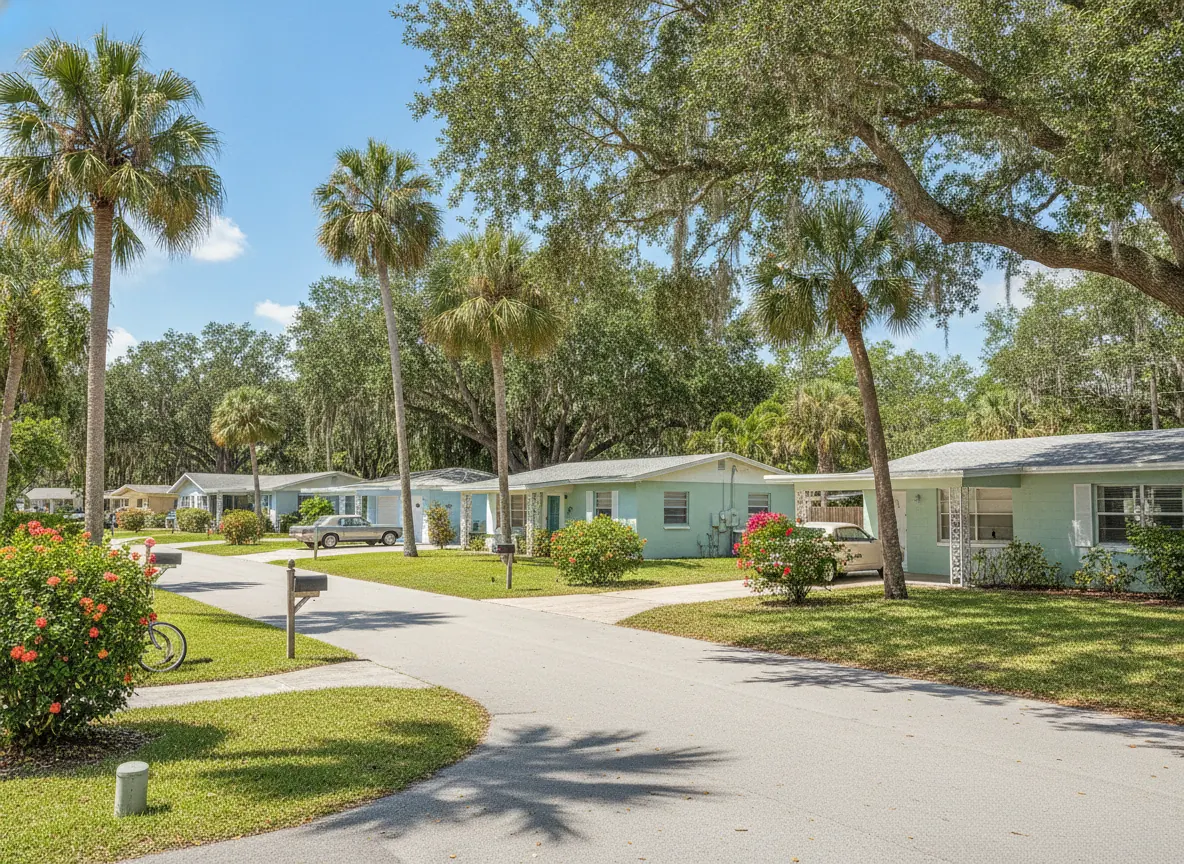
Many Sarasota-area homes sit empty for part of every summer. On Longboat Key, 48.8% of housing units were for seasonal, recreational or occasional use in the 2020 Census. On Siesta Key, about 62% of units are vacant at any given time, most of them seasonal homes, and in Venice it is about 28% (American Community Survey 2020 to 2024).
A home closed from May to November goes through the wettest, most humid months of the year with no one inside to notice a drip or a musty smell. Coming back to mold is common, but much of it can be prevented with a few settings and a plan for checks.
Why closed homes get musty in a Sarasota summer
Sarasota Bradenton International Airport averages about 49 inches of rain a year, and June through September brings about 60% of it. August is the wettest month, at about 9.1 inches (NOAA 1991 to 2020 normals). Summer dew points in the Tampa Bay area average about 72 to 74°F.
That moist air finds its way into a closed house. Any surface cooler than the dew point, such as an AC duct, an air-handler closet or a cold-water line, can collect condensation. The AC is what pulls that moisture back out. If it is off, or set so high that it rarely runs, indoor humidity can climb well past what EPA recommends: below 60%, ideally 30 to 50%.
AC and humidity settings before you leave
- Leave the AC on. Turning it off for the summer is the most common cause of mold in a closed-up Florida home. The goal is humidity control, not comfort.
- Set by humidity, not just temperature. If your thermostat has a humidity or dehumidify setting, use it, and aim for below 60%. Ask your HVAC company what temperature and humidity settings suit your system and your home.
- Don't set it so high that it barely runs. An AC that runs very little removes very little moisture.
- Put a hygrometer in the house. A simple humidity monitor, ideally one you can read on your phone, tells you or your house checker whether the settings are working.
- Use a smart thermostat if you have one. Alerts for high humidity or a system that stops running let someone act before mold starts.
Service the AC before you go
A closed house depends on one machine for months. Have the system serviced in spring, and ask about:
- Clearing the condensate drain line so it does not back up and overflow
- Checking the drain pan and any float switch that shuts the system off if the pan fills
- Replacing the filter
- Looking for rust, standing water or mold in the air-handler closet
If you can already see mold on the air handler, don't run the AC over it all summer. Have it checked first. The AC and HVAC mold page explains what can go wrong with air handlers, condensate lines and ducts.
Do you need a dehumidifier?
A dehumidifier can help in a home that runs damp even with the AC on, or in a closed room, closet or garage. If you use a portable one while you are away, set it to drain into a floor drain, sink or condensate line, because a bucket fills and the unit stops. A whole-house dehumidifier tied into the AC system is another option your HVAC company can price. A dehumidifier works with the AC, not instead of it.
A checklist for closing up the house
| Area | What to do |
|---|---|
| AC | Leave it on, set for humidity below 60%, serviced, drain line cleared, new filter |
| Water | Shut off the main water valve if no one needs water while you are gone, and drain or turn off the water heater as your plumber advises |
| Airflow | Leave interior doors, closet doors and some cabinet doors open so air circulates |
| Kitchen | Empty and clean the refrigerator if you turn it off, and prop the door open |
| Wet items | Don't leave damp towels, beach gear or laundry inside |
| Outside | Clean gutters, check the roof, and plan for storm shutters or hurricane prep |
| Monitoring | Hygrometer, smart thermostat alerts, and a named person to check the house |
House checks while you are away
Ask a neighbor, friend or paid house checker to visit on a regular schedule, and always after a storm or a power outage. A good check takes 15 minutes:
- Is the AC running, and is the house cool and dry when you walk in?
- What does the hygrometer read?
- Any musty smell, especially in closets and bathrooms?
- Any new stains on ceilings, around windows or near the air-handler closet?
- Any water under sinks, around the water heater or near toilets?
- After a storm, photos of the roof line, windows and any water inside
Ask the checker to send photos each visit, and give them your HVAC company's number. If you have homeowners insurance, ask your insurer whether the policy has any conditions for a home left unoccupied for months.
Condo owners leaving for the summer
If you own a condo on Siesta Key, Longboat Key or downtown, tell the manager when you will be away and who has a key. Many associations have their own rules on AC settings and water shut-offs for empty units, so check yours. Mold from indoor humidity in a closed unit is harder to tie to a common element than mold from a roof leak. See who is responsible for condo mold in Florida and the condo mold page.
Coming back to a musty house? Open up, check the AC and the hygrometer, and look in closets, bathrooms and the air-handler closet. For a small area, under about 10 square feet, EPA says you can usually clean it yourself once the moisture is fixed. For larger areas, Florida's mold-licensing law covers mold growth over 10 square feet (s. 468.8411), so look for a licensed mold remediator.
If you find mold when you come home
Start with the moisture. Find out why the house got damp, whether it was the AC, a leak or a storm, because cleaning mold without fixing the cause brings it back. EPA says that in most cases, if visible mold growth is present, sampling is unnecessary, so testing is optional. It can help if you smell mold but can't find it.
Florida licenses mold assessors and mold remediators through the Department of Business and Professional Regulation (DBPR) under Chapter 468, Part XVI. Before you hire, look up the company's license at myfloridalicense.com (search by name or license number). The mold removal page explains what a remediation job usually involves, and the Sarasota mold remediation cost guide lists published price ranges.
On health, EPA and CDC say mold can cause allergic and irritant reactions, and people with asthma, allergies or weakened immune systems may be more sensitive. If you notice symptoms after coming home, see a doctor. For more on everyday humidity control, see Sarasota humidity and mold prevention.
About this site. Sarasota Mold Experts is a free quote service, not a mold company. You describe the problem once, and independent local companies, which may pay to receive requests, can reply with quotes. Companies reply on their own schedules. Check each company's license at myfloridalicense.com before you sign anything.
Frequently asked questions
Should I turn off my AC when I leave Florida for the summer?
No. The AC is what removes moisture from a closed house in Sarasota's humid summer. Leave it on, set it so it runs enough to keep indoor humidity below 60%, as EPA recommends, and ask your HVAC company what settings suit your system.
What humidity should I keep in an empty Florida home?
EPA recommends keeping indoor humidity below 60%, ideally between 30 and 50%. A simple hygrometer, ideally one you can read remotely, shows whether your AC and any dehumidifier are holding the house in that range while you are away.
Do I need a dehumidifier in a closed-up house?
Not always. A working AC set for humidity control is often enough. A dehumidifier helps in homes or rooms that stay damp with the AC on. If you use a portable unit while away, set it to drain continuously so it does not fill up and stop.
How often should someone check my house while I am away?
Choose a regular schedule that fits your home and always add a visit after a storm or power outage. Each check should confirm the AC is running, read the hygrometer, and look for musty smells, ceiling stains and water under sinks or near the air handler.